March 28, 2026
In today's fast-paced world, the role of a general dentist has expanded beyond routine check-ups and fillings. With advancements in dental technology and an increasing demand for comprehensive care, modern general dentists offer a wide array of services to maintain and enhance oral health. This article explores the diverse services that contemporary dental practices provide. Emphasizing the evolution in treatment methods, technology, and patient care, dentistry has become a holistic practice. By considering various aspects of oral health, modern general dentists are better equipped to provide tailored solutions for each individual patient.
Comprehensive Oral Exams
Comprehensive oral exams are the cornerstone of preventive dentistry. During these exams, dentists evaluate the overall health of a patient's mouth, teeth, gums, and jaw. They check for signs of tooth decay, gum disease, and other issues that could escalate if left untreated. By identifying problems early, dentists can offer less invasive treatments and prevent potential complications. Regular exams help patients maintain a healthy mouth and are a critical step in long-term dental care.
Furthermore, these exams often incorporate modern diagnostic tools to provide a thorough evaluation. Digital X-rays are commonly used, offering detailed images with reduced radiation exposure compared to traditional X-rays. Intraoral cameras provide visual details that are critical for detecting and diagnosing issues that may not be visible to the naked eye. Such tools enable general dentists to deliver more accurate diagnoses and tailored treatment options for better outcomes. Moreover, they aid in educating patients about their oral health.
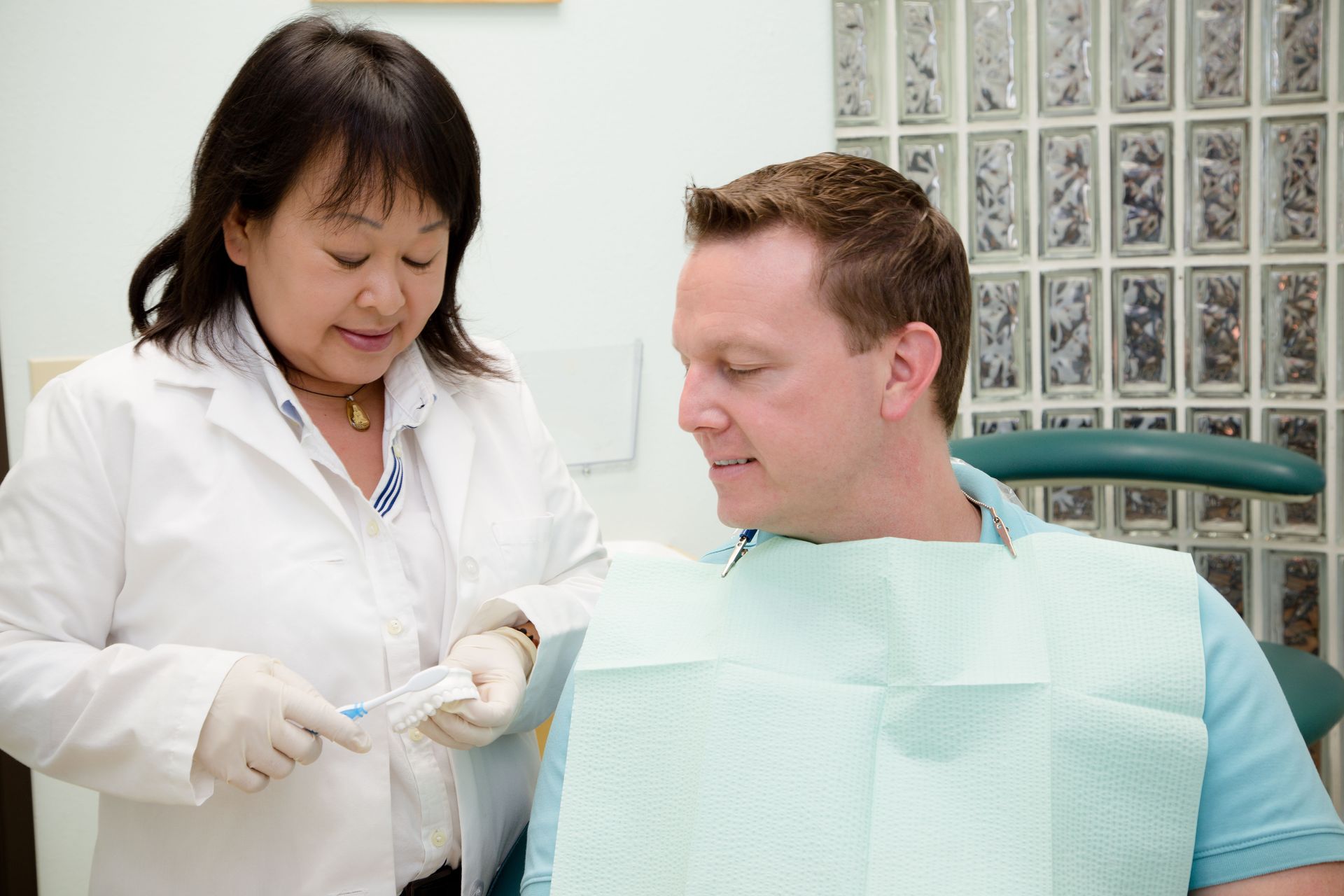
Regular dental visits for comprehensive oral exams are vital. They form the foundation of preventive care, empowering patients to take charge of their oral health. During these exams, dentists also offer guidance on best practices for brushing and flossing, helping to prevent cavities and gum disease. The integration of advanced diagnostic tools with traditional examination methods ensures a comprehensive evaluation, setting the stage for effective treatment and management strategies. Patients benefit from a proactive approach to oral health that emphasizes prevention over treatment.
Prophylaxis Cleanings
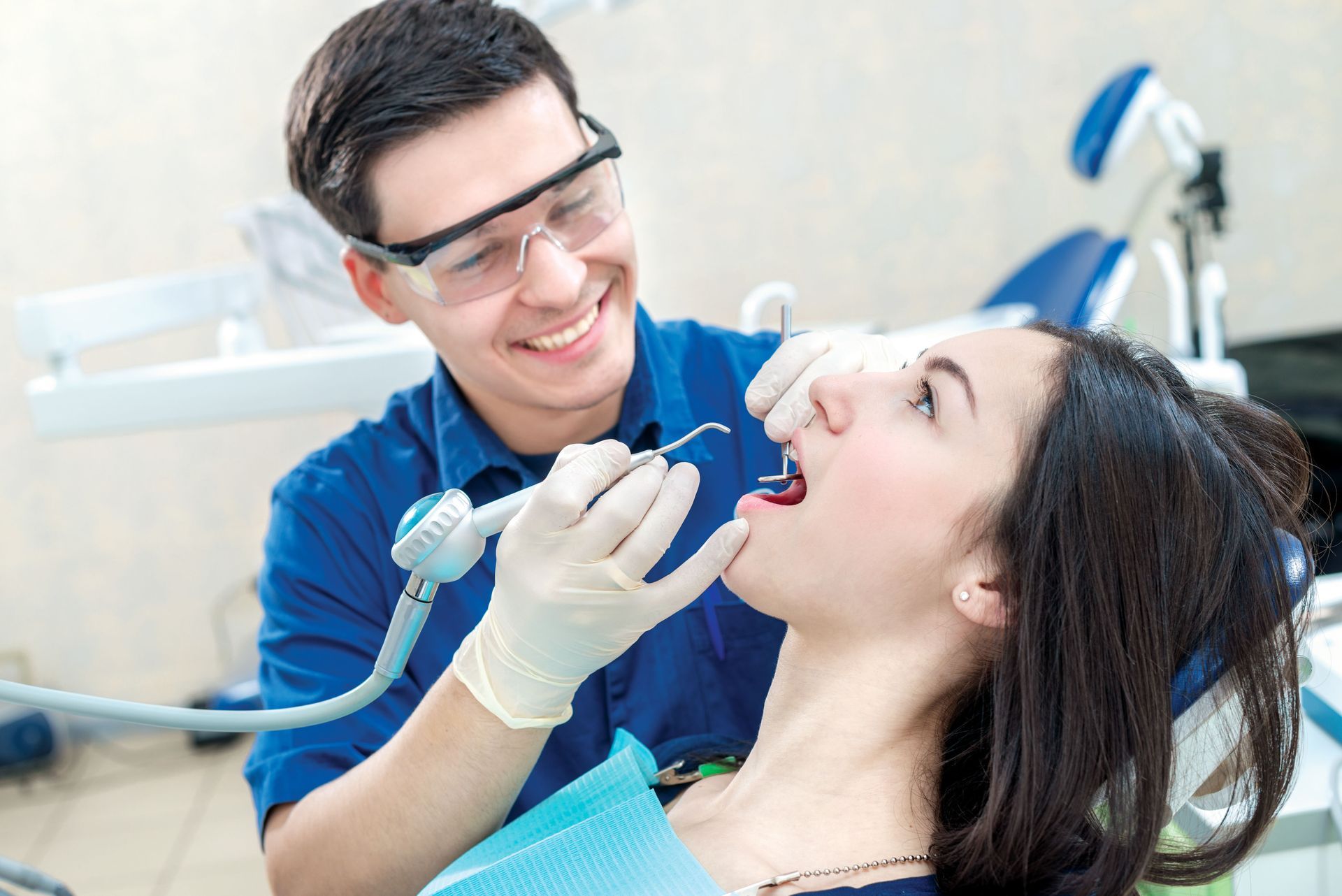
Prophylaxis cleanings, commonly known as dental cleanings, are essential for maintaining optimal oral hygiene. These cleanings remove plaque and tartar that regular brushing and flossing can't eliminate. They are vital in preventing tooth decay and gum disease. Dentists or dental hygienists use specialized tools to clean the surfaces of teeth and below the gum line. Regular cleanings help detect early signs of dental issues, allowing for timely intervention.
In addition to removing plaque, dental cleanings also involve polishing the teeth. This process not only improves the appearance of the teeth but also makes them smoother and reduces the risk of bacterial accumulation. Cleanings play a crucial role in preventing oral illnesses and maintaining fresh breath. The procedure also provides an opportunity for the dental professional to give advice on effective home care practices. This comprehensive approach supports the overall health of a patient's mouth.
Regular prophylaxis cleanings are recommended at least twice a year for most patients. However, some individuals with a tendency towards gum disease or plaque buildup might need more frequent visits. These cleanings are a fundamental component of preventive dental care, significantly reducing the risk of cavities and periodontal disease. Patients who consistently get these cleanings often enjoy healthier mouths and fewer dental issues over the long term. Keeping up with dental cleanings helps not only in maintaining oral health but also in overall wellness.
Fluoride Treatments
Fluoride treatments are a preventive measure used to strengthen tooth enamel and prevent decay. This natural mineral plays a key role in oral health by enhancing the tooth's resistance to acid attacks from plaque bacteria and sugars. During a fluoride treatment, a high concentration of fluoride is applied directly to the teeth, either as a gel, foam, or varnish. These treatments are quick, painless, and offer considerable benefits, particularly to children, who are more prone to cavities.
While fluoride is often found in toothpaste and drinking water, the professional application provides a much higher dose. This concentrated application helps remineralize the enamel and can even reverse early signs of decay. It's particularly beneficial for individuals with a history of frequent cavities or those with limited access to fluoridated water. Dental professionals often recommend these treatments in conjunction with other preventive measures for optimal oral health. They can be part of a regular dental check-up.
Children and adults at high risk of dental caries are ideal candidates for fluoride treatments. However, everyone can benefit from this preventive tactic as part of a comprehensive dental care regimen. These treatments, when applied regularly, can significantly decrease the occurrence of cavities. The role of fluoride in oral health underscores the importance of regular dental visits. By incorporating professional fluoride treatments, general dentists offer a robust strategy for cavity prevention and overall dental well-being.
Dental Sealants
Dental sealants are an effective preventive tool used predominantly in children, but are beneficial to adults as well. They involve applying a thin, protective coating to the chewing surfaces of molars and premolars. This barrier helps guard against food particles and bacteria that often collect in these areas and cause cavities. Sealants are a proactive measure designed to complement brushing and flossing, especially for those hard-to-clean back teeth.
The application process is quick and painless, making it an easy addition to routine dental care. The sealant bonds quickly to the tooth, offering an effective shield from decay. While brushing and flossing are crucial for oral hygiene, sealants provide an additional layer of protection, particularly useful in younger patients who may struggle with adequate oral care practices. They are a preventive step that can save time and money in future dental procedures by reducing the risk of cavities.
Dental sealants are durable with a life span of several years before a reapplication might be necessary. They are particularly recommended for children soon after their permanent molars come in to keep those strong and cavity-free. Though primarily used in pediatric dentistry, adults at high risk of decay can also benefit from sealants. By incorporating this preventive measure, dentists enhance their patients' ability to maintain healthy teeth over the years. Sealants are a testament to the comprehensive approach of modern dental care practices.
Oral Cancer Screenings
Oral cancer screenings are a critical component of preventive dentistry. They are conducted to detect early signs of oral cancer or precancerous conditions. During a routine dental check-up, dentists examine the mouth, gums, and tongue for any abnormalities or changes that could indicate oral cancer. Early detection is crucial, as it significantly increases the chances of successful treatment and recovery. Regular screenings are advisable, especially for individuals who smoke, consume alcohol excessively, or have a family history of cancer.
Screenings are simple and typically involve a visual examination, sometimes accompanied by special lights or dyes to highlight areas of concern. If an abnormality is found, further testing might be needed to determine the nature of the issue. Incorporating this screening into regular dental visits has made dentists vital in early cancer detection efforts. Patients benefit by having access to preventive care that identifies issues before they advance. This proactive approach in dentistry minimizes potential health risks and enhances patient outcomes.
Oral cancer screenings emphasize the expanding role of dentists in overall health care. According to WebMD, advancements such as lasers have been utilized since 1994 to treat various dental problems, including those requiring precise intervention like these screenings. By staying at the forefront of technological developments, modern general dentists can offer comprehensive care that crosses traditional boundaries. Such practices underscore the preventative aspect of dentistry, providing essential services that extend beyond maintaining oral hygiene alone. Prompt care and early intervention are pivotal in improving quality of life.
In conclusion, modern general dentistry has grown into a comprehensive and patient-focused field that prioritizes both prevention and early intervention. This proactive approach reflects a shift toward more holistic care, where oral health is closely connected to overall well-being. By combining modern technology with personalized care strategies, general dentists are better positioned to support patients at every stage of life. Contact Legacy Hill Dentistry today for all your dental care needs.