October 20, 2026
It happens to almost everyone. You climb into bed after a long day, realize you never brushed your teeth, and decide that one night won’t make a difference. Maybe you rush out the door in the morning without picking up your toothbrush. These moments feel harmless, and you’re far from alone in experiencing them. According to Procter & Gamble (P&G), 53% of people miss at least one brushing session every day. Unfortunately, the consequences of this habit often stay hidden until they become harder and more expensive to fix.
While an occasional slip won’t ruin your smile, a pattern of skipped brushing can quietly set off a chain reaction in your mouth. Over months and years, those missed sessions add up and create problems that often require professional treatment to correct. Below, we explore what happens when skipping brushing becomes a habit and why regular visits to your dental office play such an important role in protecting your long-term oral health.
Plaque Buildup and Tartar Formation
Every time you eat or drink, bacteria in your mouth feed on leftover sugars and starches. These bacteria form a sticky, colorless film called plaque that clings to your teeth and gumline. Brushing disrupts this film before it causes damage. When you skip brushing, plaque keeps growing and producing acids that attack your enamel.
The bigger problem comes when plaque sits undisturbed for too long. In our experience, plaque can begin hardening into tartar, also called calculus, within 24 to 72 hours. Unlike plaque, tartar bonds firmly to your teeth, and your toothbrush can’t remove it. Only a hygienist at a dental office can safely remove tartar with professional tools. Tartar also creates a rough surface that attracts even more plaque, so the cycle speeds up the longer it continues.
Tooth Decay and Cavities
Plaque acids steadily wear down your enamel, the hard outer layer that protects each tooth. Early on, this erosion shows up as chalky white spots that you might not notice. As the acid attacks continue, these weak spots turn into cavities, small holes that grow deeper over time. Cavities also never heal on their own, so the damage only grows until a professional treats it.
Cavities rarely cause pain in the early stages, so many people don’t realize they have one until decay reaches the softer dentin layer or the nerve inside the tooth. By then, you may experience sensitivity to hot, cold, or sweet foods. A routine exam at your dental office allows your dentist to catch decay early, when a simple filling can restore the tooth. Left untreated, a cavity can lead to a painful infection that calls for a crown or more extensive care.
Gum Inflammation and Periodontal Disease
Your gums suffer just as much as your teeth when brushing falls by the wayside. Plaque that collects along the gumline irritates the tissue and triggers inflammation. This early stage of gum disease, known as gingivitis, often causes red, swollen gums that bleed when you brush or floss. Bleeding gums are never normal, so treat them as an early warning sign rather than a minor annoyance.
The good news is that you can reverse gingivitis with improved home care and professional cleanings. However, if the inflammation persists, it can progress into periodontitis, a more serious form of gum disease. Periodontitis causes your gums to pull away from your teeth, forming pockets where bacteria thrive. Over time, the infection can damage the bone that holds your teeth in place, leading to loose teeth and, eventually, tooth loss. Professional gum disease treatment, such as deep cleanings, helps control the infection and protect the supporting structures of your smile.
Bad Breath and Tooth Discoloration
Some effects of skipped brushing show up in your everyday life long before serious damage occurs. Bacteria that linger on your teeth, gums, and tongue release sulfur compounds that cause persistent bad breath. Mints and mouthwash might mask the odor briefly, but they don’t address the source.
Skipping brushing also lets stains from coffee, tea, wine, and certain foods settle into your enamel. Tartar itself often appears yellow or brown, which can make your smile look dull or uneven. Many people feel self-conscious about these changes, which can affect how often they smile or speak up in social and professional settings. While professional teeth whitening at a dental office can brighten your smile, whitening works best on clean, healthy teeth. A consistent brushing routine helps you maintain your results and keep your smile looking fresh.
Systemic Inflammation and Overall Health Concerns
Your mouth serves as a gateway to the rest of your body, so poor oral hygiene can have effects that reach far beyond your teeth. Researchers have linked gum disease to several broader health conditions, including heart disease, diabetes complications, and respiratory infections. Many scientists believe that bacteria and inflammation from infected gums may enter the bloodstream and contribute to problems elsewhere in the body.
While brushing alone won’t guarantee good overall health, it plays a meaningful role in reducing your risk. Keeping your mouth clean limits the bacteria that can cause trouble throughout your body. Your dentist at a local dental office can also spot early warning signs of other health issues during routine visits, which is why regular checkups matter even when your teeth feel fine.
Complex Treatments and Higher Costs
Prevention costs far less than repair, both financially and in terms of time and comfort. A routine cleaning requires only a short visit, while treating advanced decay or gum disease may involve multiple appointments. Small cavities that your dentist could have filled quickly may eventually need crowns, and severely damaged teeth may require extraction followed by bridges, dentures, or dental implants. Advanced problems can also mean more time away from work, school, and family as you attend follow-up appointments.
These restorative treatments help patients regain function and confidence, but most people would rather avoid needing them in the first place. Consistent brushing, combined with regular visits to your dental office, helps you keep your natural teeth healthy and reduces the likelihood of extensive work down the road.
Daily Habits and Professional Care
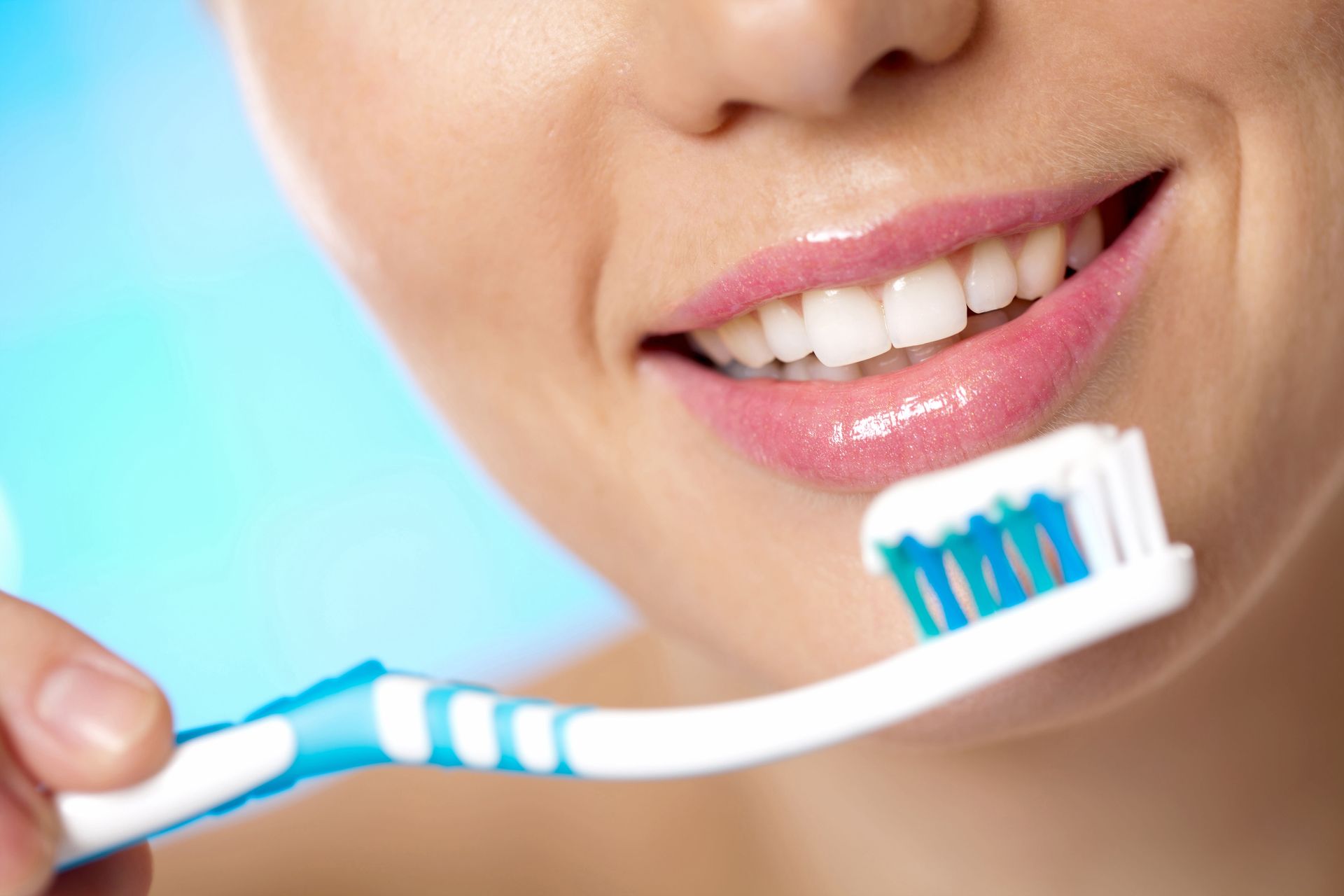
Fortunately, it’s never too late to turn things around. Start by brushing every morning and night with a soft-bristled toothbrush and fluoride toothpaste. In our experience, brushing for two full minutes each time makes a noticeable difference in how much plaque you remove. If you tend to skip nighttime brushing, try keeping your toothbrush somewhere visible or setting a reminder on your phone. Daily flossing also removes plaque from between your teeth, where your brush can’t reach.
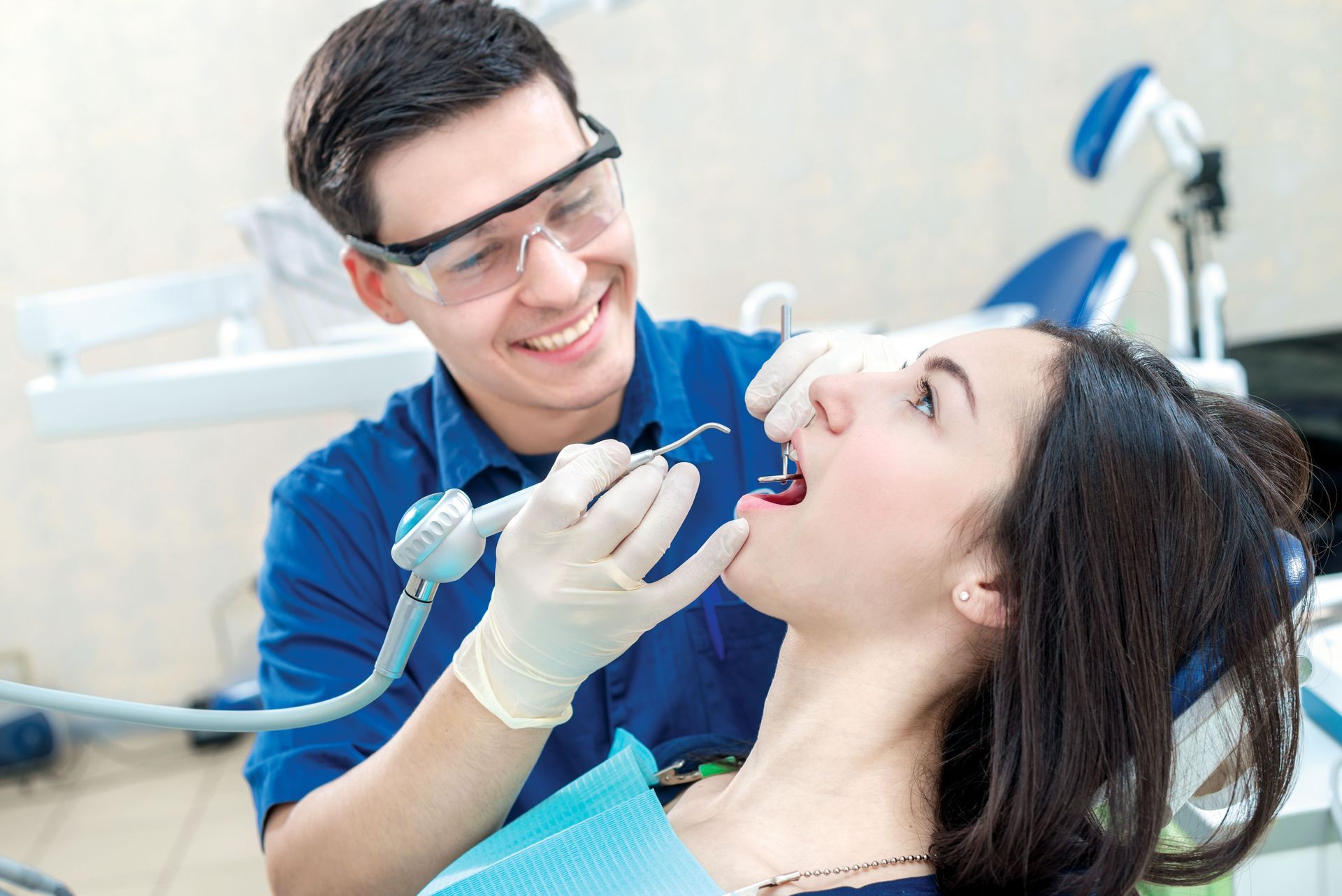
Home care is only half the equation, though. Even diligent brushers can’t remove tartar on their own, and early problems often develop without obvious symptoms. In our experience, most patients benefit from professional cleanings and exams every six months.
Skipping brushing once in a while may seem harmless, but making it a habit can lead to plaque buildup, cavities, gum disease, and other problems that affect both your smile and your overall health. The sooner you recommit to a consistent routine and schedule regular professional care, the better your chances of avoiding complex and costly treatments later on.
If you’re ready to give your smile the care it deserves, we’re here to help. At Legacy Hill Dentistry, our team provides professional cleanings, exams, gum disease treatment, and restorative care to keep your teeth healthy for years to come. Contact our dental office today to schedule your visit!