November 18, 2026
Oral health influences everyday experiences that are easy to take for granted, including eating comfortably, speaking, and feeling at ease around other people. When teeth or gums need attention, the effects can reach into daily routines. Caring for the mouth deserves a place within a broader understanding of personal well-being.
Guidance from a local dentist helps connect dental hygiene with individual needs. Professional evaluations, cleanings, and conversations about daily care give those habits direction. A consistent approach also leaves room to discuss changes in health or circumstances, so oral care remains relevant as life changes rather than becoming an occasional response to discomfort.
Make Oral Health a Regular Priority
Conversations about healthy living often begin with exercise and food. Both are important, but oral care can receive less attention when it seems separate from the rest of health. Treating dental appointments and hygiene guidance as regular priorities helps bring the mouth into that broader picture.
According to P&G, just 12% of survey respondents placed oral health among their three leading health behaviors, compared with 59% for exercise and 52% for healthy eating. That difference highlights how easily dental care can remain outside the habits people associate most strongly with well-being. Giving it a consistent place alongside other health priorities helps close that gap in attention.
Consistency also changes the purpose of a dental visit. Instead of waiting until a concern interrupts eating or daily comfort, patients can return for professional evaluation and preventive care. The recommended schedule should reflect individual needs. Keeping those visits part of an ongoing routine provides opportunities to discuss concerns while they are developing, rather than repeatedly setting them aside because other responsibilities feel more pressing.
Let Professional Guidance Shape Daily Care
Dental hygiene involves more than owning the right products. The usefulness of a routine depends on how well it addresses the person's teeth, gums, and circumstances. A professional conversation can help clarify which aspects of care deserve attention and whether familiar habits are meeting current needs.
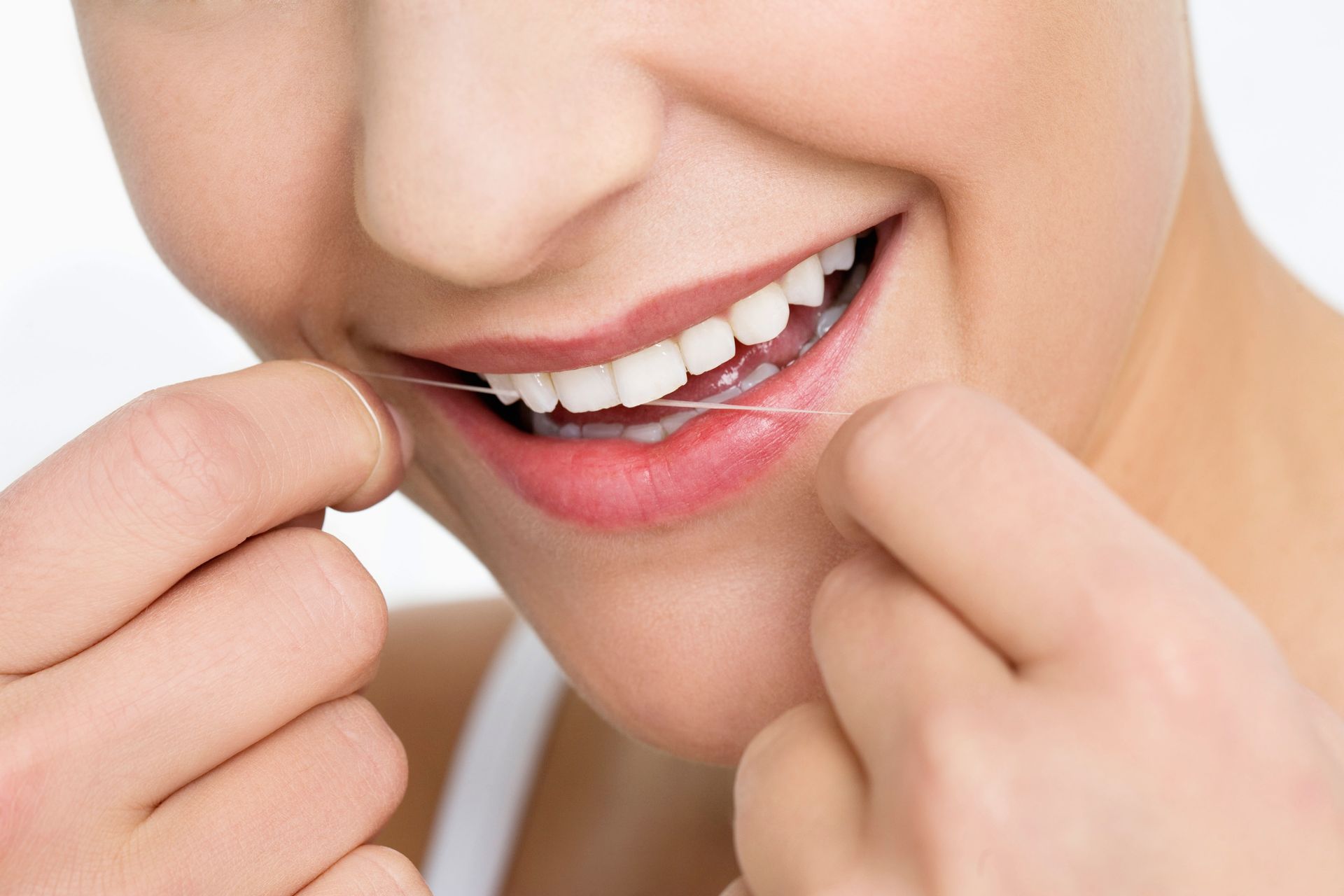
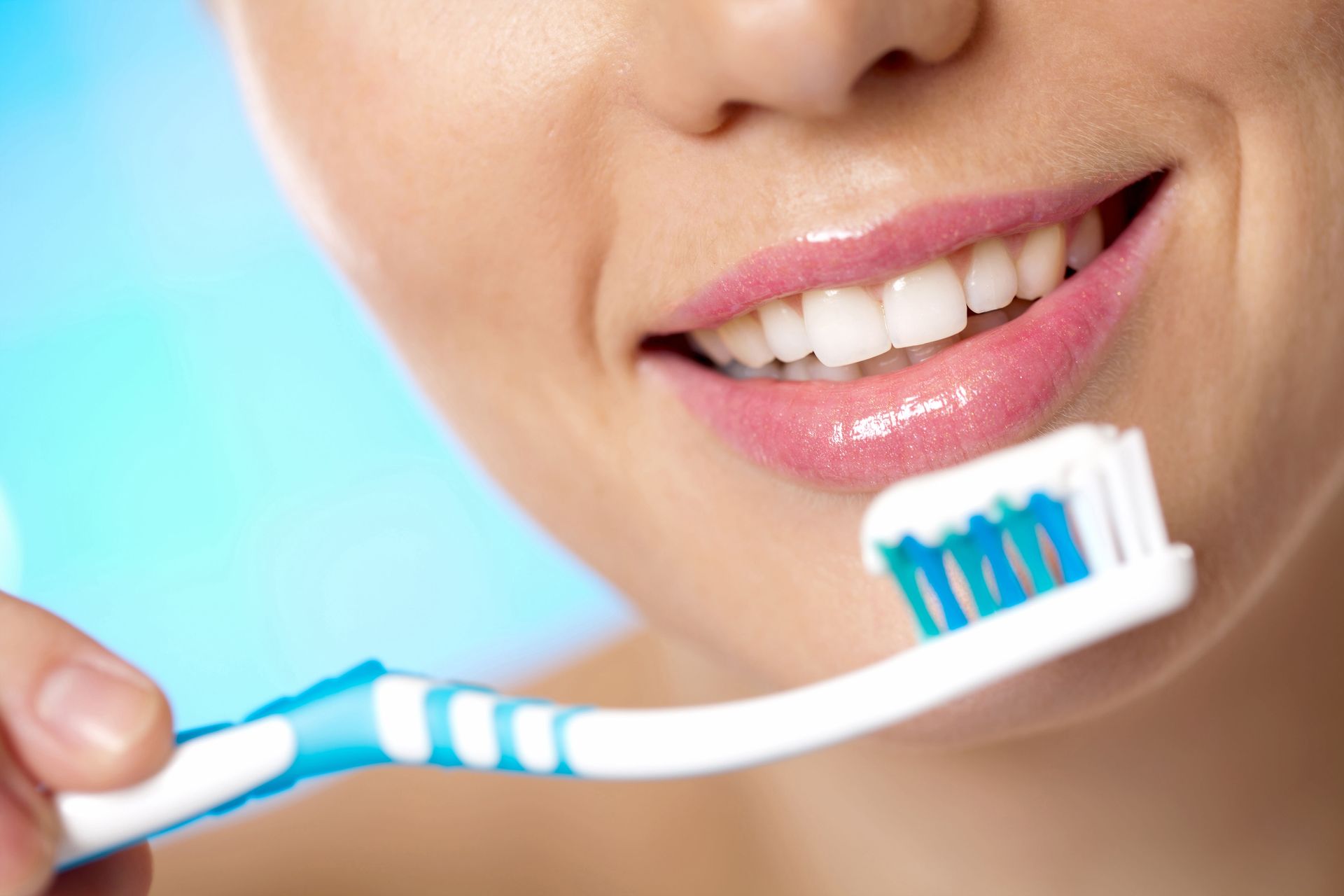
An appointment with a local dentist provides an opportunity to review brushing, cleaning between teeth, and questions about products such as fluoride toothpaste or mouthwash. Rather than selecting an unfamiliar product solely from its packaging, patients can ask how it relates to their oral health. Recommendations become more meaningful when their purpose is understood.
Mouthwash raises a common question because it can seem like a substitute for other care. A professional can explain its role as a supplement, helping patients understand why one product does not replace the rest of a hygiene plan.
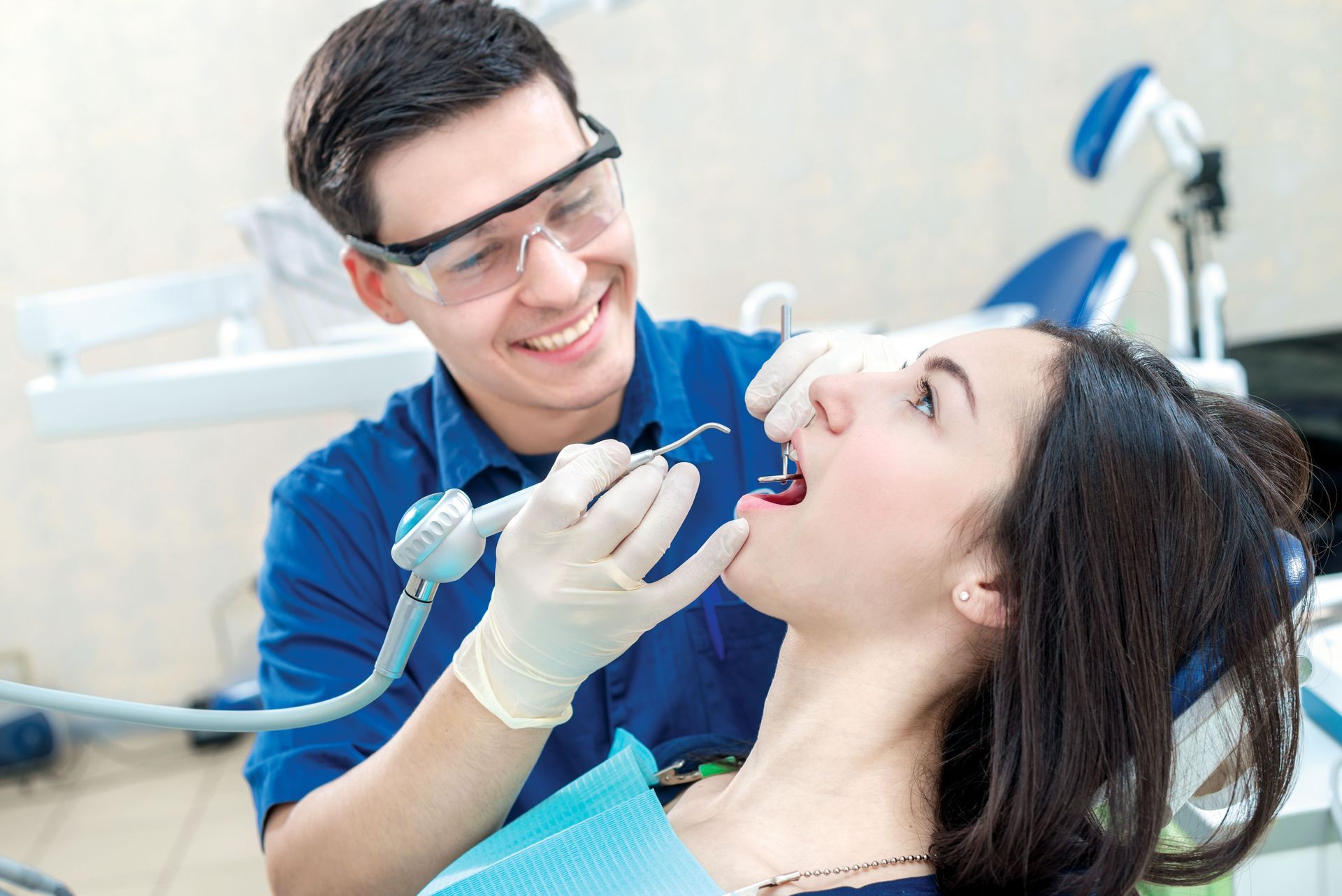
Professional cleanings serve a complementary role. Hardened plaque, called tartar, requires professional removal, so daily hygiene and in-office care address different parts of maintaining a healthy mouth. Cleanings also provide opportunities to evaluate changes that patients may not notice themselves. The relationship between appointments and daily care is most useful when it stays connected: observations from an examination can guide future recommendations, while questions about the routine can inform the next visit.
Give Gum Health Consistent Attention
Healthy gums are an important part of a comfortable, functional mouth. Changes such as bleeding, tenderness, or persistent irritation deserve professional attention. Their presence does not establish a diagnosis on its own, but it gives a dental team something specific to evaluate instead of leaving the concern unexplained.
Discussions with a local dentist can help patients understand what is happening around their teeth and which care is appropriate. Gum health also belongs in conversations about overall health. Research has linked periodontal disease with systemic conditions, making it important to consider oral concerns alongside a person's medical history. Dental care remains one part of that broader picture, with medical concerns addressed through the appropriate healthcare providers.
Paying attention to gums also helps keep hygiene discussions focused on more than appearance. A smile may look familiar even when there are concerns worth examining. Professional evaluation offers a clearer basis for decisions than judging the mouth by how bright the teeth appear. Over time, continued monitoring helps the dental team understand whether gum health and the patient's needs are changing.
Discuss Eating Habits and Oral Comfort
Nutrition and oral health meet in ordinary daily choices. Frequent exposure to sugary foods or drinks can contribute to tooth decay, while acidic beverages may affect enamel. These relationships make eating and drinking habits useful subjects for a dental conversation, particularly when a patient has recurring questions about cavities or sensitivity.
Your local dentist can explain how those habits relate to examination findings and help identify which concerns deserve attention. The discussion should remain specific to the individual. A list of foods alone does not replace an understanding of what is happening in that person's mouth or the reasons behind a recommendation.
Dry mouth is another concern worth bringing to an appointment. Saliva plays a protective role in the mouth, and persistent dryness can affect comfort and dental health. Describing when it occurs and how it affects eating or speaking gives the dental team useful context. Professional guidance helps connect dietary questions, oral comfort, and preventive care without treating a single food, drink, or product as a complete solution.
Share Changes in Health and Lifestyle
Dental care becomes more informative when patients can discuss the circumstances around their oral health. Tobacco use, stress, and changes in sleep may be relevant to concerns noticed in the mouth. These conversations give practitioners a fuller understanding of the patient instead of limiting an appointment to the most visible symptom.
Keeping a local dentist informed about broader health concerns also supports a more connected approach to care. A dental team can consider that information during evaluation and explain when further discussion with another healthcare provider may be appropriate. The purpose is to place oral health within the person's life while respecting the different roles of dental and medical care.
Open communication makes it easier to raise concerns that might otherwise feel unrelated or difficult to describe. Patients can explain what has changed, what feels uncomfortable, and which recommendations have been hard to maintain. That information helps keep preventive guidance practical and personal, with professional attention directed toward the concerns affecting everyday life.
Adapt Care Across Life Stages
Oral health needs can change as people grow and age. Children's appointments may emphasize monitoring development and establishing familiarity with dental care. Pregnancy can bring changes that deserve discussion with dental and medical providers, while older adults may have concerns about gum health, dry mouth, or maintaining a comfortable routine.
Working with a local dentist gives patients a way to revisit those needs rather than relying indefinitely on earlier recommendations. Care can be discussed in relation to current circumstances, with room for questions about comfort, products, and the purpose of professional visits.
This continuity also supports understanding. A patient who knows why a recommendation has changed has a clearer basis for following the plan. Preventive care remains an ongoing conversation, allowing hygiene habits to develop alongside the person instead of becoming a fixed set of assumptions about what every mouth needs.
A healthy mouth contributes to comfort and daily well-being, making dental care a meaningful part of looking after the whole person. Consistent professional guidance helps that care remain practical as individual needs evolve. At Legacy Hill Dentistry, we view preventive care as an ongoing conversation about your oral health and daily needs. Contact us to discuss how we can support you as your local dentist.