May 30, 2026
Restorative dentistry plays an important role in protecting both oral health and overall well-being. Damaged or missing teeth can affect daily comfort, speech, eating habits, and confidence. Whether the issue develops from decay, injury, wear, or infection, timely treatment can help restore function while preventing additional complications from developing over time. Many patients seek care from a local dentist when they begin noticing discomfort, visible damage, or changes in the way their teeth function.
Oral health concerns can begin early in life and continue into adulthood without proper care. According to the CDC, nearly 50% of children in the United States experience tooth decay before reaching the age of 9, showing how common dental problems can become when preventive and restorative care are delayed. Restorative treatments help address these issues before they progress further and create additional challenges for patients.
Restoring Damaged Teeth With Dental Fillings
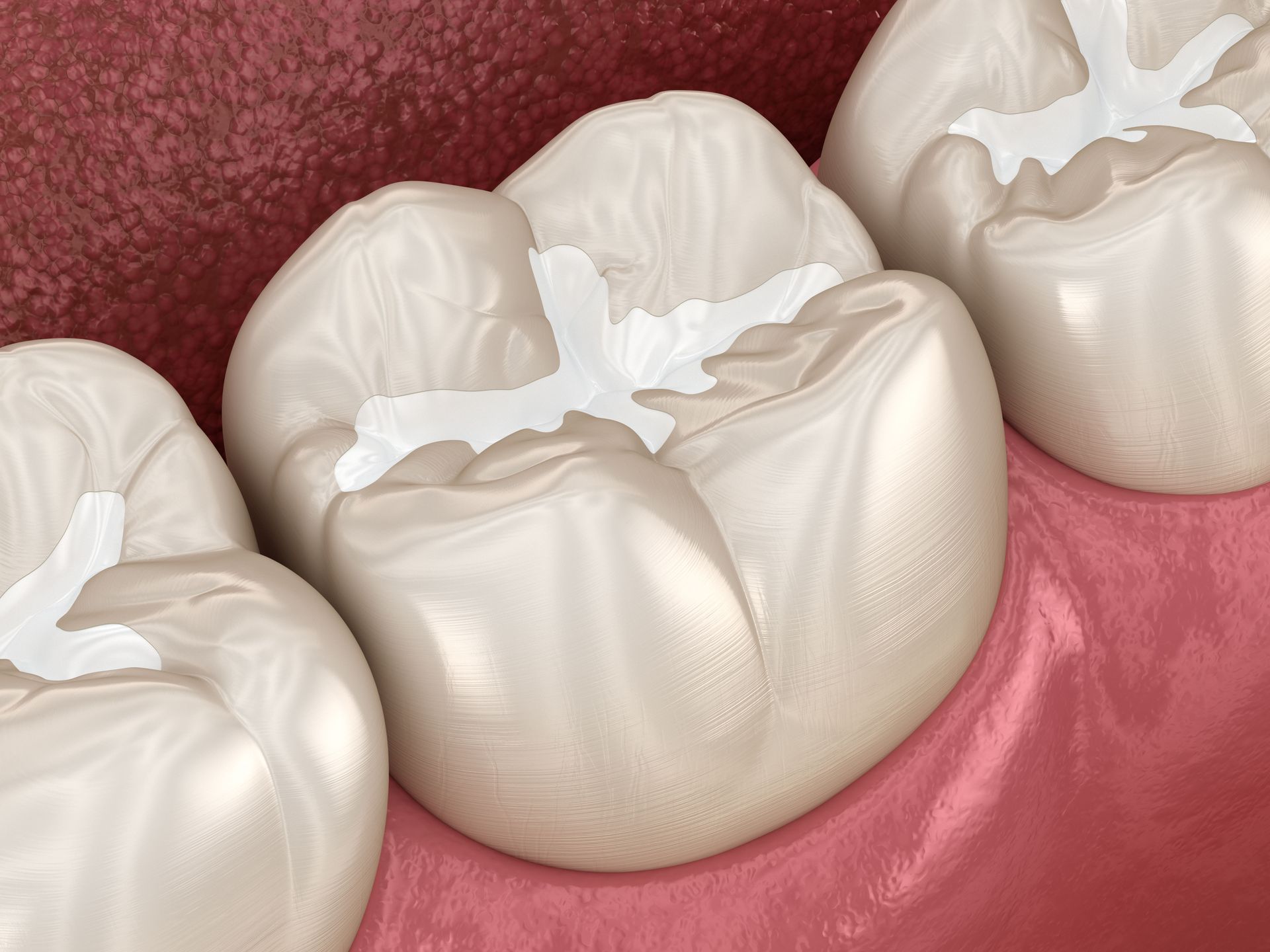
One of the most common restorative procedures involves repairing teeth that have been affected by cavities or minor fractures. Dental fillings help restore the structure of a tooth after decay has been removed. This treatment allows patients to preserve as much of the natural tooth as possible while improving comfort and daily function.
When a cavity is left untreated, it can continue spreading deeper into the tooth structure and eventually reach sensitive inner tissues. Early intervention from a local dentist can help stop the progression of damage while reducing the likelihood of more extensive procedures later. Fillings are designed to strengthen the affected area and help patients continue using the tooth normally.
Modern restorative materials can blend naturally with surrounding teeth, making the repairs less noticeable during everyday activities. Patients often appreciate treatments that improve both function and appearance at the same time. In many cases, restorative dentistry allows patients to maintain their natural smile while protecting long-term oral health.
Replacing Missing Teeth With Dental Bridges
Missing teeth can create both cosmetic and functional concerns. Gaps within the smile may affect speech, chewing ability, and the alignment of surrounding teeth. Dental bridges are a restorative solution that replaces missing teeth by anchoring an artificial tooth between neighboring teeth.
Many patients visit a local dentist after noticing shifting teeth or discomfort caused by missing spaces in the mouth. Without proper restoration, surrounding teeth may gradually move out of alignment, potentially creating additional oral health challenges over time. Replacing missing teeth helps maintain stability throughout the dental arch.
Dental bridges are customized to match the appearance and shape of natural teeth. Patients often choose this treatment because it restores balance to the smile while improving everyday comfort. Restoring missing teeth can also improve confidence during conversations, meals, and social situations.
The placement of a bridge typically requires careful planning to ensure proper fit and long-term function. Restorative dentistry focuses not only on replacing teeth but also on preserving healthy surrounding structures. Proper alignment and bite support are essential parts of successful treatment outcomes.
Strengthening Weak Teeth With Dental Crowns
Dental crowns are commonly used when teeth become weakened due to fractures, severe decay, or large existing restorations. A crown fully covers the visible portion of the tooth, helping restore strength, shape, and function. Patients often seek treatment from a local dentist when a tooth becomes painful, cracked, or structurally unstable.
Weakened teeth are more vulnerable to additional fractures and damage if left untreated. Crowns provide reinforcement that helps protect the remaining natural structure while allowing the tooth to function more normally. This treatment can often prevent the need for extraction when damage is addressed early enough.
Restorative dentistry emphasizes preserving natural teeth whenever possible. Crowns support this goal by strengthening compromised teeth rather than removing them entirely. Patients frequently appreciate the ability to maintain their natural smile while improving comfort and stability.
Crowns can also improve the appearance of teeth that have become discolored or misshapen due to injury or previous dental issues. While the primary focus of treatment remains structural support, cosmetic improvements often contribute to increased patient confidence as well.
Repairing Extensive Damage With Root Canal Therapy
When infection or decay reaches the inner portion of a tooth, more advanced restorative treatment may become necessary. Root canal therapy helps remove infected tissue while preserving the outer structure of the tooth. Many patients turn to a local dentist after experiencing persistent pain, swelling, or sensitivity that does not improve over time.
Infections inside the tooth can spread if left untreated, potentially affecting nearby tissues and surrounding teeth. Root canal therapy addresses the source of infection while helping patients avoid extraction whenever possible. Preserving natural teeth remains an important goal within restorative dentistry.
Patients are often relieved to learn that modern root canal procedures focus heavily on patient comfort and precision. Restoring the health of the tooth can significantly improve daily comfort while protecting surrounding oral structures from additional complications.
Following treatment, the tooth is often restored with a crown to provide additional protection and stability. This combination of procedures allows patients to maintain normal function while reducing the risk of future damage. Early diagnosis and treatment frequently contribute to better outcomes and improved recovery.
Treating dental infections promptly may also help support overall health. Oral infections can create inflammation and discomfort that interfere with daily life. Addressing these concerns through restorative care helps improve both oral function and overall well-being.
Rebuilding Smiles With Dental Implants
Dental implants have become a widely recognized solution for replacing missing teeth because they provide long-term support and stability. Implants are designed to replace both the visible tooth and the underlying root structure, helping maintain bone support within the jaw. Many individuals consult a local dentist when looking for a durable option to restore missing teeth.
Bone loss can gradually occur after teeth are lost because the jaw no longer receives normal stimulation during chewing. Dental implants help reduce this issue by supporting the surrounding bone structure. Maintaining bone support contributes to facial balance and long-term oral stability.
Restorative dentistry often focuses on treatments that closely replicate the function of natural teeth. Implants allow patients to chew, speak, and smile more comfortably while improving confidence during daily interactions. Many patients value the sense of security that implants can provide.
The process of receiving implants requires careful evaluation and planning to ensure healthy integration with surrounding tissues. Successful treatment depends on factors such as bone health, gum condition, and overall oral hygiene. Long-term maintenance also plays an important role in protecting the results of restorative treatment.
Patients who restore missing teeth often report improvements in both comfort and self-esteem. Addressing gaps in the smile can create a more balanced appearance while supporting better oral function throughout everyday activities.
Preventing Future Problems With Ongoing Dental Care
Restorative dentistry does not end after a procedure is completed. Long-term success often depends on consistent preventive care and regular dental evaluations. Many patients continue visiting a local dentist for routine examinations that help monitor existing restorations and identify new concerns before they worsen.
Regular dental visits allow professionals to evaluate the condition of crowns, fillings, bridges, and implants while checking for signs of wear or decay. Preventive care supports the longevity of restorative treatments and helps reduce the risk of additional complications.
Professional cleanings also help remove plaque and bacteria that may contribute to gum disease or further tooth damage. Healthy gums provide essential support for both natural teeth and restorative work. Maintaining good oral hygiene habits plays a major role in preserving treatment results.
Patients who receive restorative care often become more aware of the importance of long-term oral maintenance. Ongoing dental attention helps support comfort, appearance, and function throughout different stages of life. Consistent care also allows dentists to make timely recommendations when small concerns begin developing.
Restorative dentistry provides patients with solutions that improve both oral function and overall quality of life. From repairing damaged teeth to replacing missing ones, these treatments help restore confidence, comfort, and daily function. Seeking treatment early can often reduce the severity of future complications while protecting long-term oral health. At Legacy Hill Dentistry, we are committed to helping our patients restore healthy, functional smiles through personalized restorative care that supports lasting comfort and confidence.